
Underpaid Commercial Fire Claims: How a Lawyer Forces Insurance to Pay Fairly
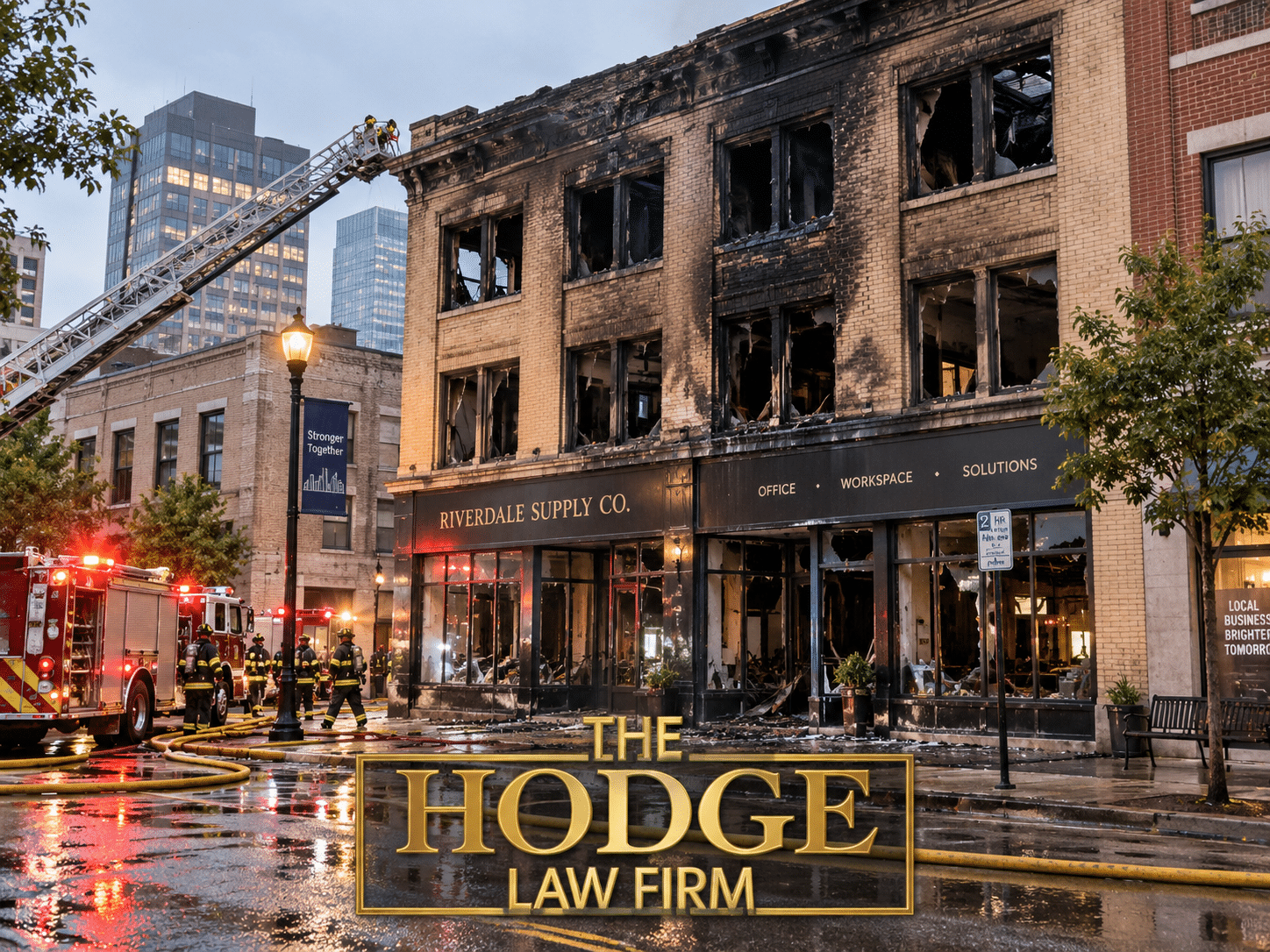
A major commercial fire can leave business owners dealing with much more than just burned walls, damaged equipment, and lost inventory. Fires can stop operations for weeks or months, damage specialized machinery, force tenants or customers to leave, destroy records, and lead to expensive cleanup and rebuilding.
Many business owners think that once their insurance company confirms the fire is covered, the hardest part is over. But often, a new problem starts: the insurer agrees to pay but offers much less than what the policyholder believes is needed to restore the property and recover financially.
When a commercial fire insurance claim is underpaid, it can put a lot of financial strain on a business. Companies often need money right away to rebuild, replace equipment, pay contractors, deal with smoke and water damage, and get back to work. If the insurance company’s estimate is hundreds of thousands or even millions less than the real loss, accepting that payment could leave the business owner covering a large part of the recovery costs.
At The Hodge Law Firm, we help commercial property owners and businesses with serious insurance disputes. We review your policy, look into the damage, check the insurer’s estimate, and challenge payment decisions that don’t cover the full loss. If negotiations don’t lead to a fair outcome, we can take legal action and make the insurance company explain its valuation.
What Is an Underpaid Commercial Fire Insurance Claim?
An underpaid fire claim occurs when an insurance company acknowledges that some or all of the loss is covered but pays less than the policyholder believes is owed under the policy. The dispute therefore may not involve whether the fire occurred or whether there was covered damage. Instead, the disagreement centers on the financial value of that damage and the insurer’s obligations under the policy.
Commercial fire losses are particularly susceptible to valuation disputes because they often involve many different categories of damage. A fire may affect roofing, structural components, electrical systems, plumbing, HVAC equipment, interior finishes, machinery, inventory, computers, furniture, signage, and other business property. Smoke may travel into areas the flames never reached. Water used by firefighters may damage additional portions of the building. Specialized cleanup may be necessary because of soot, chemicals, or hazardous materials.
The insurer’s initial estimate may therefore represent only a portion of the true loss. A payment that initially appears substantial can prove inadequate once contractors, engineers, equipment vendors, environmental consultants, accountants, and other professionals begin identifying what will actually be required to restore the business.
An insurance company’s first payment also does not necessarily establish the maximum amount recoverable. Depending on the policy and circumstances, additional insurance benefits may potentially be available when properly documented and supported.
Why Commercial Fire Claims Are Frequently Underpaid
Commercial insurance policies can cover expensive and complicated properties. That complexity creates numerous opportunities for disagreement between the policyholder and the insurance company.
An adjuster may prepare an estimate using standardized pricing software that does not accurately reflect local labor conditions, specialized commercial construction requirements, material availability, or the complexity of rebuilding a particular facility. The insurer may conclude that certain components can be cleaned or repaired when contractors believe complete replacement is necessary. It may classify fire-related deterioration as preexisting damage or maintenance problems. It may also dispute whether smoke, soot, water, or chemical contamination requires extensive remediation.
Commercial properties can also contain systems that are far more sophisticated than those found in residential buildings. Restaurants may have commercial kitchens, ventilation systems, refrigeration equipment, and fire suppression systems. Manufacturing facilities may contain specialized production machinery. Hotels and apartment buildings may require extensive electrical, plumbing, safety, and code-related work. Warehouses may contain large quantities of inventory belonging to different owners or customers.
Each disputed component can significantly affect the overall value of the claim.
When the insurer repeatedly selects the lowest-cost repair methodology, excludes damaged items, reduces labor costs, depreciates property aggressively, or minimizes business interruption losses, the total difference can become substantial.
The Insurance Company’s Estimate Is Not Automatically the Correct Estimate
One of the most important points for commercial policyholders to understand is that an insurance adjuster’s estimate is not necessarily a definitive calculation of the loss. It is the insurer’s assessment of what it believes should be paid.
Contractors and other specialists may reach very different conclusions after inspecting the property.
For example, an adjuster may determine that portions of a fire-damaged roof can be patched. A roofing contractor may conclude that heat exposure, structural damage, smoke contamination, or code requirements make complete replacement necessary. An insurer may believe electrical wiring in an affected area can remain in service, while an electrician or engineer may identify safety concerns requiring substantial replacement.
The same dispute can arise with HVAC systems, machinery, flooring, drywall, insulation, inventory, plumbing, windows, structural steel, and other property.
A lawyer handling an underpaid commercial fire claim can compare the insurer’s estimate against contractor estimates, invoices, expert findings, photographs, engineering reports, inventories, and policy language. The objective is to identify exactly where the insurer’s adjustment fails to account for covered losses.
Hidden Smoke and Soot Damage Can Add Substantially to a Fire Claim
Fire damage is not limited to areas touched by flames. Smoke and soot can travel through hallways, ductwork, wall cavities, ceilings, mechanical systems, offices, storage areas, and equipment located considerable distances from the source of the fire.
Commercial smoke damage can be particularly expensive because affected materials may require professional cleaning, testing, sealing, treatment, or replacement. Electronics and machinery may become contaminated by corrosive soot particles. HVAC systems may distribute smoke throughout a large building. Odors can remain even after visible soot has been removed.
Insurers sometimes argue that cleaning is sufficient when the policyholder’s contractors or consultants believe replacement is necessary. These disagreements can involve thousands of individual items and potentially significant portions of the building.
An attorney can help ensure that smoke and soot issues are investigated rather than simply accepting the insurer’s initial assumption that visible structural repairs account for the entire loss.
Firefighting Water Can Cause a Second Layer of Property Damage
A fire department’s efforts to extinguish a commercial fire may introduce thousands of gallons of water into the property. That water can damage flooring, walls, insulation, ceilings, merchandise, electrical systems, machinery, records, furniture, and other property that was not directly burned.
Standing water can also create additional problems if extraction and drying are delayed.
Depending on the property and circumstances, moisture may contribute to deterioration, corrosion, microbial growth, or damage to materials located inside walls and floors.
Insurance adjusters evaluating a commercial fire loss therefore must consider more than the direct burn area.
A thorough claim evaluation should examine the full path of the fire, smoke, heat, water, and emergency response activities throughout the property. If the insurer evaluates only the most visibly damaged sections of the building, significant covered losses may be omitted from the estimate.
Code Upgrade Costs Can Become a Major Source of Dispute
Rebuilding a damaged commercial building does not always mean simply recreating the property exactly as it existed before the fire. Depending on the building, location, extent of damage, applicable codes, and insurance coverage, repairs may need to comply with current construction, electrical, accessibility, fire safety, or other regulatory requirements.
A building constructed decades ago may therefore require substantial upgrades during reconstruction.
Depending on the policy, ordinance, or law, coverage may provide insurance benefits for some eligible code-related costs. However, coverage depends heavily on the language and limits contained in the policy.
Disputes can arise over whether particular upgrades are actually required, whether the policy provides coverage for them, and how much the upgrades will cost.
Because commercial code upgrades can be expensive, policyholders should carefully review any insurer estimate that simply assumes damaged areas can be reconstructed using the same methods and materials that existed before the fire.
Business Personal Property Losses Are Often More Complicated Than They Appear
Many commercial fire claims include substantial damage to property used in the business. Depending on the business, this may involve office furniture, computers, tools, machinery, restaurant equipment, merchandise, raw materials, finished products, records, fixtures, supplies, or other business assets.
Valuing these losses can become complicated quickly.
The policy may treat different categories of property differently. The insurer may request purchase records, inventories, invoices, photographs, depreciation information, equipment specifications, or other documentation. It may dispute the condition, age, quantity, ownership, or replacement value of particular items.
Businesses that have accumulated equipment and inventory over many years may not have a single document showing everything that existed immediately before the fire. Reconstruction of the inventory may therefore require accounting records, vendor invoices, photographs, tax documents, purchase histories, electronic records, employee testimony, or other evidence.
A lawyer handling a significant commercial fire claim can help organize the proof and challenge unsupported reductions in the insurer’s valuation.
Business Interruption Losses Can Be Severely Undervalued
For many companies, physical property damage represents only part of the financial harm caused by a fire. A business that cannot operate may lose revenue every day.
Commercial property policies may provide business income or business interruption coverage, depending on the policy. This coverage may help compensate the insured for qualifying financial losses resulting from a covered interruption of operations.
Calculating those losses can be complicated.
The insurer may examine historical revenue, expenses, seasonal patterns, prior performance, projected growth, contracts, market conditions, and the period reasonably required to restore operations. Accountants for the policyholder and insurance company may reach very different conclusions.
The dispute may also involve whether the business could have resumed operations sooner, whether alternative premises were available, which expenses continued during the shutdown, and whether particular losses were directly connected to the covered fire.
Because substantial commercial claims can involve months of lost operations, even relatively small differences in the insurer’s assumptions can dramatically affect the amount paid.
Contact The Hodge Law Firm About an Underpaid Commercial Fire Claim
A commercial fire can place the future of a business at risk. When insurance proceeds are supposed to finance rebuilding and recovery, an inadequate payment can create another financial crisis at precisely the worst possible time.
If your insurance company acknowledged your commercial fire claim but failed to pay enough to cover the losses, The Hodge Law Firm can review the policy, the insurer’s estimate, and the available evidence. We represent policyholders in disputes involving fire damage, smoke and soot contamination, business property losses, business interruption claims, repair-versus-replacement disagreements, and other major commercial insurance issues.
We can determine why the insurer’s valuation falls short, identify additional evidence that may support the claim, negotiate for additional insurance benefits, and pursue litigation when necessary. Call the commercial property fire claim attorneys at The Hodge Law Firm today at 409-762-5000 for a free consultation.
The Hodge Law Firm Holds Insurance Companies Accountable.


