
The “Wear and Tear” Trap: Overcoming a Hail Claim Denied by Insurance
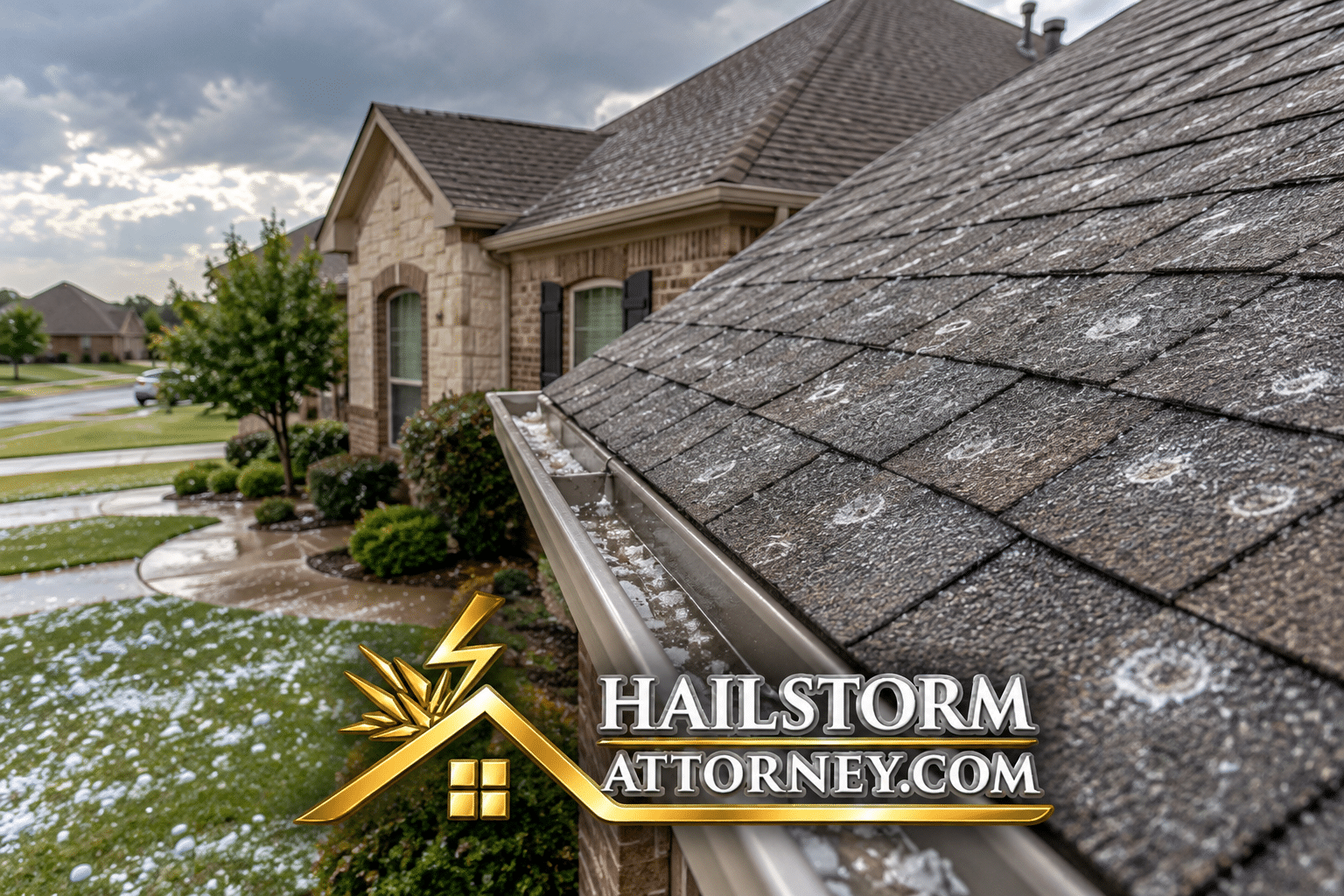
A hailstorm can damage your roof in just a few minutes, but insurance companies might later claim the damage happened slowly over many years. Insurers often deny or reduce hail claims by citing policy exclusions for “wear and tear,” deterioration, aging, defective materials, or poor maintenance. This is especially frustrating for property owners when the roof worked well before the storm and issues only started after severe hail hit.
At The Hodge Law Firm, we help both homeowners and business owners when insurance companies refuse to pay valid property damage claims. If your claim is denied due to wear and tear, don’t assume that’s the end of the story. The main issue isn’t whether your roof had some age or minor problems, as most roofs do. What matters is whether hail caused new damage, made existing issues worse, or led to a covered loss under your policy.
Knowing this difference is key when you want to challenge a denied or underpaid hail claim.
Why Insurance Companies Use the “Wear and Tear” Exclusion After Hailstorms
Property insurance is meant to cover accidental losses, not the normal aging or wear of your property. That’s why most policies have exclusions for things like ordinary wear and tear, deterioration, corrosion, decay, poor construction, or lack of maintenance.
But just because your policy has these exclusions doesn’t mean any roof with signs of age is excluded from hail coverage. Problems start when the insurance company tries to say storm damage is simply normal aging.
After you file a hail claim, an adjuster might inspect your roof and find things like granule loss, cracks, blisters, oxidation, old repairs, weathering, loose materials, rust, or worn-out sealant. The insurance company may then argue these issues show your roof was already in bad shape before the storm.
That conclusion may dramatically change the insurer’s evaluation of the claim. Instead of paying to repair or replace hail-damaged components, the company may issue a denial stating that the observed damage resulted from excluded deterioration rather than a covered hail event.
The dispute then becomes a question of causation.
An Older Roof Can Still Sustain New Hail Damage
One of the most important misconceptions surrounding hail claims is that an older roof cannot suffer covered storm damage. Age and storm causation are separate issues.
A roof may have been installed many years before a hailstorm and still have substantial useful life remaining. Shingles may already exhibit some weathering. Metal components may show oxidation. Sealants may be aging. Commercial roofing membranes may have undergone years of exposure to heat, ultraviolet radiation, temperature changes, and ordinary weather conditions.
None of those circumstances automatically establishes that hail caused no additional physical damage.
A hailstorm may fracture asphalt shingles, loosen or remove protective granules, damage roofing membranes, dent metal components, crack tiles, damage flashing, affect vents or HVAC equipment, or create openings through which water later enters the building. The fact that a component was not brand new immediately before the storm does not answer whether the storm physically changed its condition.
This distinction can become especially important when the insurer focuses heavily on the age of the roof while giving relatively little attention to evidence of a recent storm.
Courts interpreting particular insurance policies have also recognized that a wear-and-tear exclusion does not necessarily eliminate coverage merely because deterioration existed before hail damage occurred. Coverage depends heavily on the wording of the policy and the facts establishing what actually caused the claimed loss. In one federal property insurance dispute, for example, the court concluded that the policy at issue could provide coverage for damage caused by hail even when wear and tear also contributed to the condition of the property.
The language of the individual policy therefore matters enormously.
The Real Fight Is Often Over What Caused the Damage
Many hail insurance disputes eventually become battles between competing explanations.
The insurance company may contend that the roof failed because of deterioration, installation problems, maintenance issues, thermal movement, mechanical damage, previous storms, foot traffic, manufacturing defects, or ordinary aging. The policyholder may contend that the roof was functional before a documented hailstorm and sustained identifiable physical damage during that event.
Resolving that disagreement requires considerably more than simply asking how old the roof is.
A proper causation analysis may require examining the pattern, location, size, and physical characteristics of the damage. Investigators may compare damage across roofing materials, gutters, flashing, vents, siding, window components, outdoor mechanical equipment, fencing, and other exposed surfaces. Weather information may also help establish whether hail of a particular size was reported at or near the property.
Timing is equally important. If the property did not leak before the storm but developed leaks shortly afterward, that history may deserve careful investigation. If photographs taken before the storm show an intact roofing system but post-storm photographs reveal damage, those images may become significant evidence. None of these facts should be considered in isolation. Together, however, they can help distinguish pre-existing deterioration from new storm-related damage.
Be Careful When the Denial Letter Uses Broad Exclusion Language
Property owners should read a hail claim denial letter carefully. Some denial letters quote lengthy sections of the insurance policy containing numerous exclusions. Those exclusions may involve wear and tear, deterioration, faulty workmanship, maintenance, repeated leakage, cracking, settling, or other conditions.
The important question is whether the insurer clearly explains which exclusion it contends actually applies and how the facts uncovered during its investigation support that conclusion.
In one property insurance case involving alleged storm damage, court records showed that an insurer’s denial letter listed multiple exclusions, including wear and tear, deterioration, faulty maintenance, and several other causes. The dispute later included questions concerning the investigation and the basis of the insurer’s denial.
When we evaluate a denied claim, we want to understand not only what policy language the carrier quoted but also the evidence supporting its position. A denial letter is the insurance company’s explanation of its decision. It is not necessarily an independent determination that the insurer’s interpretation is correct.
The Insurance Company’s Engineer Is Not the Final Authority
Another development property owners sometimes encounter is an engineering report attributing damage to aging rather than hail. Insurance companies frequently retain engineers, consultants, or other professionals to evaluate disputed property losses. Their reports can become influential because the insurer may rely heavily upon the conclusions when denying the claim.
Nevertheless, an engineer’s report remains an opinion based upon the information examined, testing performed, observations made, assumptions adopted, and methodology used.
A qualified professional evaluating the property for the policyholder may reach a different conclusion.
Important questions may include whether all relevant areas of the property were examined, whether storm data was considered, whether collateral hail damage was documented, whether photographs accurately represent the property, whether destructive testing was warranted, and whether the report adequately distinguishes old deterioration from recent impact damage.
The investigation may also reveal inconsistencies between the physical evidence and the insurer’s explanation. That is why a hail claim dispute should not necessarily end merely because the carrier states that its engineer found “no hail damage.”
Photographs From Before the Storm Can Become Valuable Evidence
Policyholders sometimes underestimate the importance of photographs that were never originally taken for an insurance claim.
Real estate photographs, property management records, inspection photographs, drone imagery, roofing contractor photographs, appraisal photographs, maintenance records, and previous insurance inspection images may provide evidence concerning the property’s pre-loss condition.
Commercial property owners may possess especially useful documentation because buildings are often photographed or inspected during repairs, financing, leasing, property management activities, or previous construction projects.
If an insurer claims that visible roof conditions existed for years, older photographs may help determine whether that assertion is accurate.
Maintenance records may also become relevant. Documentation showing repairs, inspections, roof coatings, sealant replacement, drainage maintenance, or other work may undermine an allegation that the property owner simply neglected the roof.
Preserving these records early can be important because they may become more difficult to locate as the dispute continues.
Contractor Estimates Can Expose Differences in the Insurance Adjustment
A contractor may identify repairs that differ substantially from those included in the insurance company’s estimate. The disagreement may involve the amount of roofing that must be replaced, whether individual repairs are technically feasible, necessary labor, removal and disposal costs, flashing, gutters, underlayment, decking, code-related work, access expenses, commercial roofing components, or damage to additional structures.
A large difference between the insurer’s estimate and a contractor’s estimate does not automatically establish that either side is correct. It does, however, identify areas requiring investigation.
Sometimes the insurer acknowledges hail damage but claims that only a few isolated repairs are necessary. Other times the company recognizes damage to gutters or soft metals while denying damage to the roofing system immediately adjacent to those components. These inconsistencies may deserve closer examination.
Actual Cash Value and Replacement Cost Issues Can Complicate Older Roof Claims
Roof age can affect a hail claim even when coverage exists. Depending on the insurance contract, the policy may provide replacement cost coverage, actual cash value coverage, scheduled roof coverage, or another method of calculating the insurer’s obligation. Some policies contain endorsements modifying coverage based upon roof age or roofing materials.
This is different from denying the loss as wear and tear.
A policy might recognize that hail caused covered damage but calculate the initial payment using depreciation. Under some replacement cost policies, additional amounts may become payable after qualifying repairs or replacement are completed and appropriate documentation is submitted.
The specific policy language controls. Property owners should therefore distinguish between a dispute over whether hail damage is covered and a disagreement regarding how the covered loss should be valued.
Can a Denied Hail Claim Be Reopened?
Depending upon the policy, applicable law, claim status, and surrounding circumstances, additional evidence may sometimes be submitted after an insurance company issues its initial decision.
For example, a policyholder may obtain additional contractor findings, engineering analysis, photographs, weather information, or documentation concerning previously undiscovered damage.
The insurer may conduct another inspection or reconsider the claim.
However, insurance policies and state laws can contain important notice requirements, contractual deadlines, limitation periods, proof-of-loss provisions, or other procedural requirements. Waiting too long can create unnecessary problems.
Because those deadlines vary by jurisdiction and policy, property owners facing substantial disputed losses should consider obtaining legal advice promptly rather than assuming there is unlimited time to address the denial.
Contact The Hodge Law Firm About a Denied Hail Insurance Claim
When an insurance company blames hail damage on “wear and tear,” the dispute often comes down to a much more complicated question: What actually caused the damage?
At The Hodge Law Firm, we help residential and commercial property owners investigate denied and underpaid insurance claims. We examine the insurance company’s explanation, review the policy, evaluate the evidence, and determine whether the carrier has improperly attributed covered storm damage to aging, deterioration, maintenance, or another exclusion.
If your hail insurance claim was denied, delayed, or underpaid, contact us for a complimentary consultation. We can review the circumstances of your claim and discuss the options that may be available. Call the hail damage claim attorney at The Hodge Law Firm today at 409-762-5000 for a free consultation.
We Hold Insurance Companies Accountable.


