
What Happens When An Insurer Calls Hail Damage Wear And Tear?
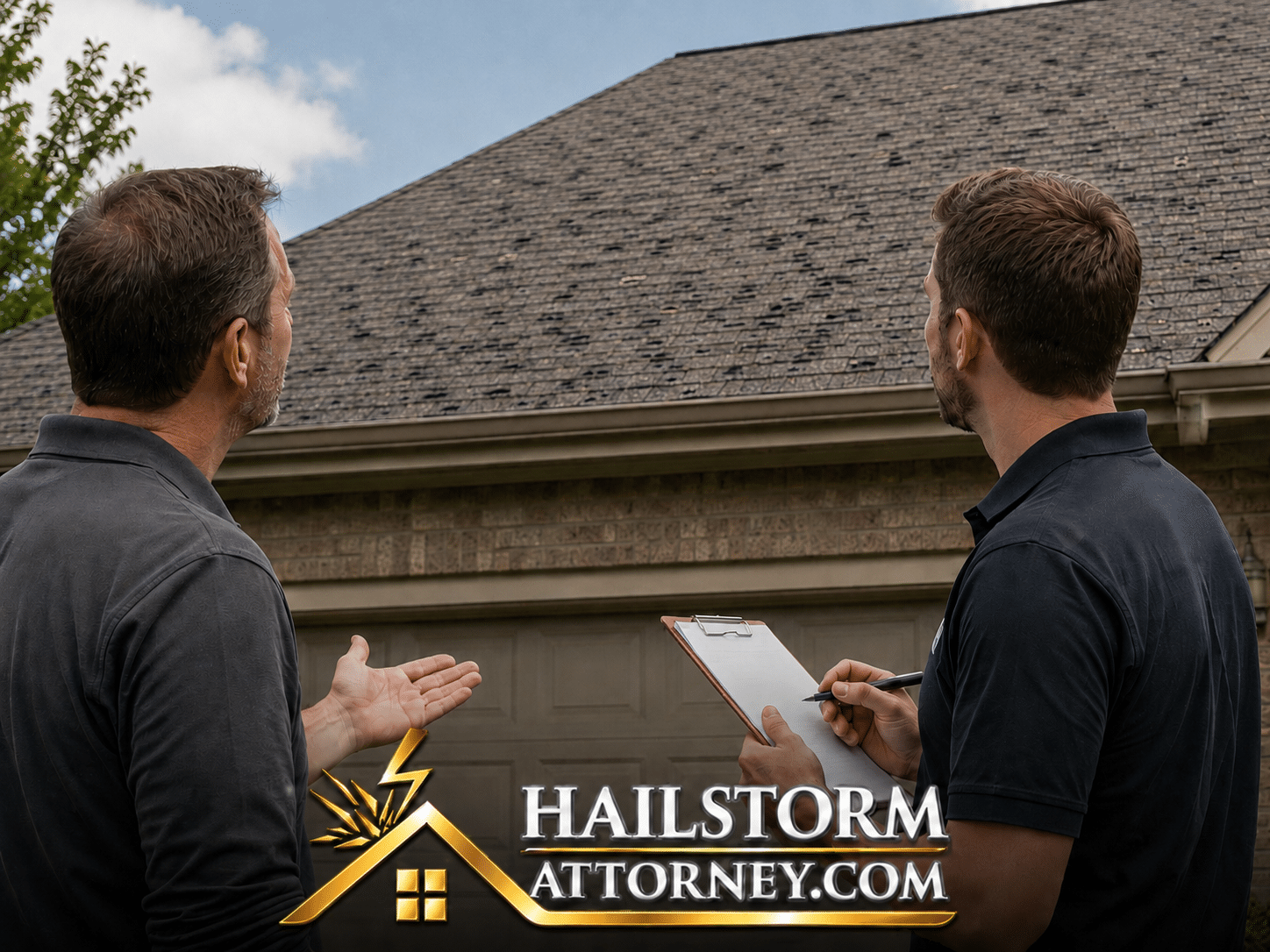
One of the most frustrating responses a property owner can receive after filing a hail damage insurance claim is that the damage is not actually storm-related. Instead, the insurance company may conclude that the condition of the roof, siding, or other building components is simply the result of “wear and tear.” For many homeowners and business owners, this explanation comes as a surprise. They know their property was in good condition before the storm, and they can see the changes that occurred after large hail struck the area. Yet the insurance company may rely on wear and tear as a reason to reduce the claim, deny coverage altogether, or pay only a fraction of what is needed to restore the property.
Disagreements like this often happen after big hailstorms. Insurance companies usually look at the age and condition of roofs, gutters, siding, skylights, and other parts of the building to decide if the damage was caused by the storm or just normal aging. Even though every claim should be carefully reviewed, property owners should know that calling damage ‘wear and tear’ does not always mean the insurance company is right.
At The Hodge Law Firm, we help homeowners and business owners with insurance disputes after hail damage. We know how insurance companies review these claims and the reasons they give to limit what they pay. Our goal is to make sure insurance companies are held responsible and to help policyholders get the compensation their policies promise.
Why Insurance Companies Raise The Wear And Tear Argument
Insurance policies generally distinguish between sudden, accidental damage caused by a covered event and deterioration that naturally occurs over time. Because of this distinction, insurance companies often investigate whether the condition they observe existed before the hailstorm or whether it developed gradually over many years.
From the insurer’s perspective, identifying pre-existing deterioration may reduce or eliminate its obligation to pay the claim. Adjusters may inspect the age of the roof, review prior claim history, examine aerial photographs, or compare current conditions to historical records. In some situations, these investigative steps are appropriate. However, problems arise when the insurance company reaches conclusions without conducting a complete evaluation or overlooks evidence showing that the hailstorm caused new damage.
A roof that has experienced years of normal weather exposure can still suffer significant hail damage. The existence of aging materials does not automatically prevent a covered loss. Determining what damage existed before the storm and what damage occurred during the storm requires a careful analysis of the facts, not assumptions based solely on the age of the property.
Understanding The Difference Between Wear And Tear And Hail Damage
Normal wear and tear usually develops slowly. Roofing materials gradually lose flexibility, sealants age, protective granules naturally diminish over time, and exterior surfaces experience ordinary weather exposure. These changes generally occur over many years rather than during a single weather event.
Hail damage, by contrast, is typically sudden and localized. Hailstones can fracture shingles, bruise underlying materials, dent metal components, crack tiles, damage flashing, and compromise protective roofing systems. Even when the damage is not immediately visible from the ground, hail impacts can shorten the life of roofing materials and create pathways for future water intrusion.
One of the challenges is that these two conditions can exist at the same time. An older roof may show signs of ordinary aging while also sustaining new hail damage during a severe storm. Insurance companies sometimes focus heavily on the age of the roof while giving insufficient attention to the new storm-related damage. That can result in an inaccurate evaluation of the claim.
Why A Brief Inspection May Miss Important Evidence
Following a widespread hailstorm, insurance companies often receive thousands of claims within a short period. Adjusters may be assigned numerous inspections each day, leaving limited time to thoroughly evaluate every property.
A brief inspection may identify obvious issues while overlooking more subtle forms of damage. Bruised shingles, fractured roofing components, damaged flashing, compromised underlayment, and impacts to rooftop equipment are not always immediately apparent. Certain problems may only become visible after a more detailed inspection or once repair work begins.
When important damage is overlooked, the insurance company’s estimate may be based on incomplete information. Property owners may then receive a denial or a reduced payment based on an inspection that did not fully account for the condition of the property.
Why Independent Contractors May Reach A Different Conclusion
Many property owners become concerned when their roofing contractor identifies significant hail damage, but the insurance company concludes that the roof merely shows signs of aging. This difference in opinion is common.
Contractors are generally evaluating what is necessary to restore the roof to a safe and functional condition. They often spend more time inspecting the property and may identify damage that was not included in the insurance company’s evaluation. They also consider construction methods, material availability, manufacturer recommendations, and local building requirements when preparing repair recommendations.
The insurance company, on the other hand, is evaluating the claim from the perspective of policy coverage and financial responsibility. These different objectives can produce significantly different conclusions regarding the extent of the damage and the repairs required.
How A Wear And Tear Determination Can Affect Your Claim
When an insurance company attributes damage to wear and tear, the impact on the claim can be significant. In some cases, the insurer may deny coverage entirely. In others, the company may approve only limited repairs while declining to pay for more extensive restoration.
Property owners may then find themselves facing repair estimates that greatly exceed the insurance payment. Delaying repairs while attempting to resolve the dispute can also create additional problems. If the roofing system has been compromised, continued exposure to rain and moisture may lead to interior water damage, mold growth, insulation problems, and structural deterioration.
For business owners, unresolved roof damage can also affect operations, tenants, inventory, equipment, and customer access. What initially appears to be a disagreement over roofing materials can quickly evolve into a much larger financial issue.
Steps Property Owners Can Take When They Disagree With The Insurance Company
Receiving a wear and tear determination does not necessarily mean the claim is over. Property owners who disagree with the insurance company’s conclusions should carefully review the claim before deciding how to proceed.
Helpful steps may include:
- Reviewing the insurance company’s estimate and explanation.
- Obtaining an independent inspection from a qualified roofing contractor.
- Taking photographs and videos of all visible damage.
- Preserving repair estimates and contractor reports.
- Keeping copies of all communications with the insurance company.
- Consulting an attorney if the claim appears to have been improperly denied or undervalued.
A thorough review often provides a clearer understanding of whether important damage was overlooked or whether the insurer’s conclusions deserve to be challenged.
How The Hodge Law Firm Helps Property Owners
At The Hodge Law Firm, we represent homeowners and business owners involved in complex hail damage insurance disputes. We understand the technical issues that frequently arise when insurance companies attribute storm damage to wear and tear.
When we evaluate a claim, we carefully review the insurance policy, examine the insurer’s findings, analyze contractor reports, and assess whether the damage was properly investigated. We also evaluate whether the insurance company handled the claim fairly and complied with its obligations throughout the claims process.
Some disputes can be resolved through negotiations with the insurance company. Others require litigation to protect the policyholder’s rights. Regardless of how a claim proceeds, our focus remains the same: helping property owners pursue the compensation they are entitled to under their insurance policies.
Why It Is Important To Seek Legal Guidance Early
Many property owners spend months trying to convince their insurance company to change its position before consulting an attorney. During that time, repairs may be delayed, additional damage may develop, and valuable evidence may become more difficult to preserve.
Seeking legal guidance early allows the claim to be evaluated before the dispute becomes even more complicated. It also gives property owners a better understanding of their rights and the options available to challenge an unfavorable insurance decision.
Every hail damage claim is unique. A careful review of the facts, the policy language, and the insurance company’s handling of the claim can help determine the best course of action.
Frequently Asked Questions About Wear And Tear Disputes In Hail Damage Claims
Can An Insurance Company Deny My Claim Because My Roof Is Old?
Not necessarily. An older roof can still sustain covered hail damage. The age of the roof alone does not automatically eliminate insurance coverage.
What If My Contractor Says I Have Hail Damage But The Adjuster Disagrees?
This is a common situation. Different inspections may reach different conclusions, and the claim should be carefully evaluated before accepting the insurance company’s decision.
Is Wear And Tear Always Excluded From Insurance Coverage?
Many policies exclude ordinary wear and tear, but that does not mean storm damage is excluded simply because the property is older.
Should I Obtain My Own Inspection?
An independent inspection may provide valuable information regarding the condition of the property and whether hail damage was overlooked.
What Documents Should I Keep?
Keep photographs, contractor reports, repair estimates, invoices, inspection reports, and all communications with your insurance company.
When Should I Contact An Attorney?
If your insurance company attributes hail damage to wear and tear and you believe the decision is incorrect, it may be beneficial to seek legal guidance before accepting the insurer’s conclusion.
Contact Our Hail Damage Denial Attorney For A Free Consultation
If your insurance company has denied or reduced your hail damage claim by claiming the damage was simply wear and tear, The Hodge Law Firm is ready to help.
We understand how frustrating these disputes can be, and we are committed to holding insurance companies accountable when they fail to honor their obligations under the policy.
Call the hail damage claim attorney at The Hodge Law Firm today at 409-762-5000 for a free consultation.
We Hold Insurance Companies Accountable.


