
Why Texas Hurricane Insurance Claims Are Denied
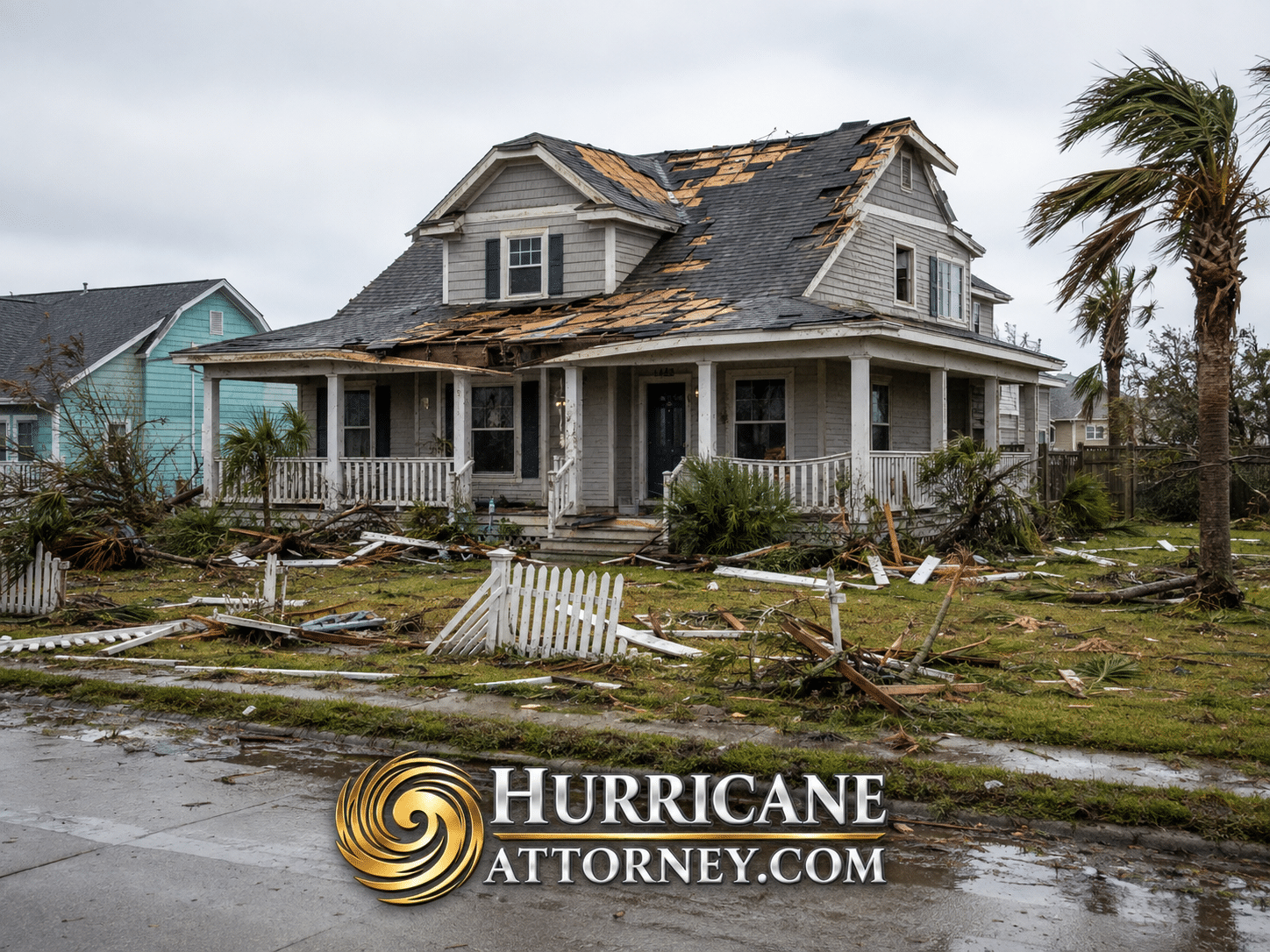
People who own homes or businesses in Texas know that hurricane season means more than just bad weather. Major storms can cause serious damage to houses, businesses, apartments, and other property. Many property owners along the Gulf Coast and in inland areas count on insurance to help them recover after a disaster. Sadly, many find that getting help from their insurance policy is harder than they thought.
When a hurricane insurance claim is denied, it can put a lot of financial stress on property owners. Instead of getting money to start repairs, people are often left with questions, growing bills, and worry about what comes next. Insurance companies can investigate claims, but they must also treat policyholders fairly and honestly. If a claim is wrongly denied, it can have serious effects.
At The Hodge Law Firm, we help homeowners and business owners with tough insurance disputes after hurricanes. We know the strategies insurance companies may use when looking at storm damage claims, and we work hard to make sure insurers keep the promises in their policies.
A Claim Denial Does Not Always Mean The Insurance Company Is Correct
Getting a denial letter can be discouraging, but it does not have to be the end of your claim. Insurance companies decide on coverage based on how they read the policy, what they find during their investigation, and what their adjusters or consultants say. These conclusions are not always correct.
In many hurricane claims, important facts are overlooked during the investigation. Damage may be more extensive than originally believed, repairs may require additional work that was not identified during the inspection, or the policy itself may provide broader coverage than the insurance company acknowledges. Some denials result from genuine disagreements over the evidence, while others stem from incomplete investigations or overly restrictive interpretations of policy language.
For this reason, property owners should carefully review any denial before accepting it. A second evaluation of the claim often uncovers issues that deserve additional attention.
Insurance Companies Frequently Argue The Damage Was Not Caused By The Hurricane
One of the most common reasons insurers deny Texas hurricane claims is by disputing the cause of the damage. Rather than acknowledging that hurricane-force winds and rain created the loss, the insurance company may contend that the damage resulted from unrelated conditions.
For example, an insurer might say the roof got worse over many years, not just during the storm. They could blame water damage inside on maintenance problems instead of wind damage. Sometimes, they claim structural issues were already there before the hurricane.
These arguments can significantly reduce or eliminate coverage if left unchallenged. Determining what caused the damage often requires a thorough evaluation of the property, weather conditions, repair history, and other available evidence.
Insufficient Documentation Can Become An Obstacle
Insurance companies often request photographs, repair estimates, invoices, receipts, maintenance records, and other documentation before making a coverage decision. While providing documentation is a normal part of the claims process, some claims are denied because the insurer believes the evidence is incomplete.
After a hurricane, however, gathering documentation is not always easy. Property owners may be displaced from their homes, businesses may be closed, and important records may have been damaged or destroyed. Contractors are frequently overwhelmed following a major storm, making inspections and estimates difficult to obtain quickly.
Even when documentation is incomplete, that should not automatically prevent a fair investigation. Insurance companies still have a responsibility to conduct their own reasonable evaluation of the loss rather than simply denying the claim because additional information is needed.
Hidden Damage Is Sometimes Missed During The Initial Inspection
Hurricane damage is not always immediately visible. An adjuster may identify obvious roof damage while overlooking problems beneath the roofing materials. Water intrusion may not become apparent until weeks later. Structural components may have been weakened even though they appear intact during a brief inspection.
Because of this, an insurance company’s initial inspection may not capture the full extent of the damage. If the insurer relies solely on that inspection, important repairs may never be included in the claim.
This is one reason property owners often receive denial letters or partial denials that fail to reflect the true condition of the property. A more comprehensive evaluation may reveal damage that was not identified during the original inspection.
Policy Exclusions Are Sometimes Applied Too Broadly
Insurance policies contain exclusions, limitations, deductibles, and conditions that can affect coverage. Insurance companies sometimes rely heavily on these provisions when denying hurricane claims.
For example, an insurer may cite exclusions involving flooding, deterioration, neglect, or pre-existing damage. While exclusions certainly exist, they must be interpreted according to the actual language of the policy and the specific facts surrounding the claim.
A denial based on a policy exclusion does not necessarily mean the exclusion applies. Determining whether coverage exists often requires a careful review of both the policy and the insurer’s explanation.
Texas Law Requires Insurance Companies To Handle Claims Fairly
Texas law provides important protections for policyholders during the insurance claims process. The Texas Insurance Code, including Chapter 541 governing unfair settlement practices and Chapter 542, commonly known as the Prompt Payment of Claims Act, establishes standards for how insurers must investigate, evaluate, and pay covered claims.
In general, insurance companies must acknowledge claims, conduct reasonable investigations, communicate with policyholders, and make claim decisions within the timeframes established by law. They are also prohibited from engaging in unfair or deceptive claim settlement practices.
If an insurance company unreasonably delays, denies, or mishandles a hurricane claim, Texas law may provide legal remedies depending on the facts of the case.
What Property Owners Should Do After Receiving A Denial
Although receiving a denial can be frustrating, it is important not to panic or immediately assume there is no further recourse. The steps taken after a denial may significantly affect the outcome of the dispute.
Property owners should carefully review the denial letter, compare it with the language of their insurance policy, preserve all photographs and repair estimates, and continue documenting any additional damage that becomes apparent. Maintaining organized records of every communication with the insurance company can also be valuable if questions later arise about how the claim was handled.
Perhaps most importantly, property owners should avoid assuming that the insurance company’s first decision is necessarily the correct one. Many hurricane claim denials deserve additional review.
How The Hodge Law Firm Helps Challenge Wrongful Claim Denials
At The Hodge Law Firm, we focus exclusively on representing policyholders in insurance disputes. We do not represent insurance companies. Our responsibility is to protect the interests of homeowners and business owners whose claims have been delayed, denied, or underpaid.
When we evaluate a denied hurricane claim, we begin by reviewing the insurance policy, the denial letter, the adjuster’s findings, contractor estimates, photographs, and other available evidence. We analyze whether the insurance company properly investigated the claim and whether its coverage decision is supported by the policy language and the facts.
If additional compensation is available, we pursue it aggressively through negotiations with the insurance company. When insurers refuse to honor their contractual obligations, we are fully prepared to pursue litigation to protect our clients’ rights.
Why Acting Quickly Can Make A Difference
Time is an important factor in every hurricane insurance claim. As weeks and months pass, damaged property may continue to deteriorate, evidence may disappear, and repair costs may increase. Waiting too long can also make it more difficult to reconstruct exactly what occurred during the storm.
Seeking legal guidance early allows property owners to better understand their rights before making important decisions about repairs, settlement offers, or claim denials. Early involvement can also help identify problems with the insurance company’s investigation before they become more difficult to address.
While every case is different, prompt action often places property owners in a stronger position to pursue the compensation they deserve.
Frequently Asked Questions About Denied Texas Hurricane Insurance Claims
Why Would My Hurricane Insurance Claim Be Denied?
Insurance companies may deny claims by alleging pre-existing damage, citing policy exclusions, disputing the cause of the loss, claiming insufficient documentation, or concluding that the damage is not covered under the policy.
Can I Challenge A Denied Hurricane Claim?
Yes. Many denied claims can be reviewed and challenged if the insurance company’s decision is not supported by the facts or the language of the insurance policy.
Does A Denial Mean I Have No Coverage?
Not necessarily. A denial reflects the insurance company’s position, but that position is not always correct. A careful review may reveal that coverage exists.
What Documents Should I Save?
Keep photographs, videos, repair estimates, receipts, contractor reports, inspection reports, and every communication you receive from the insurance company.
What If My Property Has Additional Damage That Was Not Included In The Denial?
Additional damage should be documented promptly. Newly discovered damage may affect the scope of your claim.
When Should I Speak With An Attorney?
If your hurricane claim has been denied, delayed, or significantly underpaid, speaking with an attorney as early as possible can help you understand your legal options.
Contact Our Hurricane Damage Claim Attorney For A Free Storm Damage Consultation
If your Texas hurricane insurance claim has been denied, do not assume the insurance company’s decision is the final word. The Hodge Law Firm represents homeowners and business owners in complex insurance disputes and is committed to holding insurance companies accountable when they fail to honor their policies.
Call the hurricane damage claim attorneys at The Hodge Law Firm today at 409-762-5000 for a free consultation.
Our Law Firm Holds Insurance Companies Accountable.


