
Denied or Underpaid? When to Hire a Spokane Wildfire Claim Lawyer
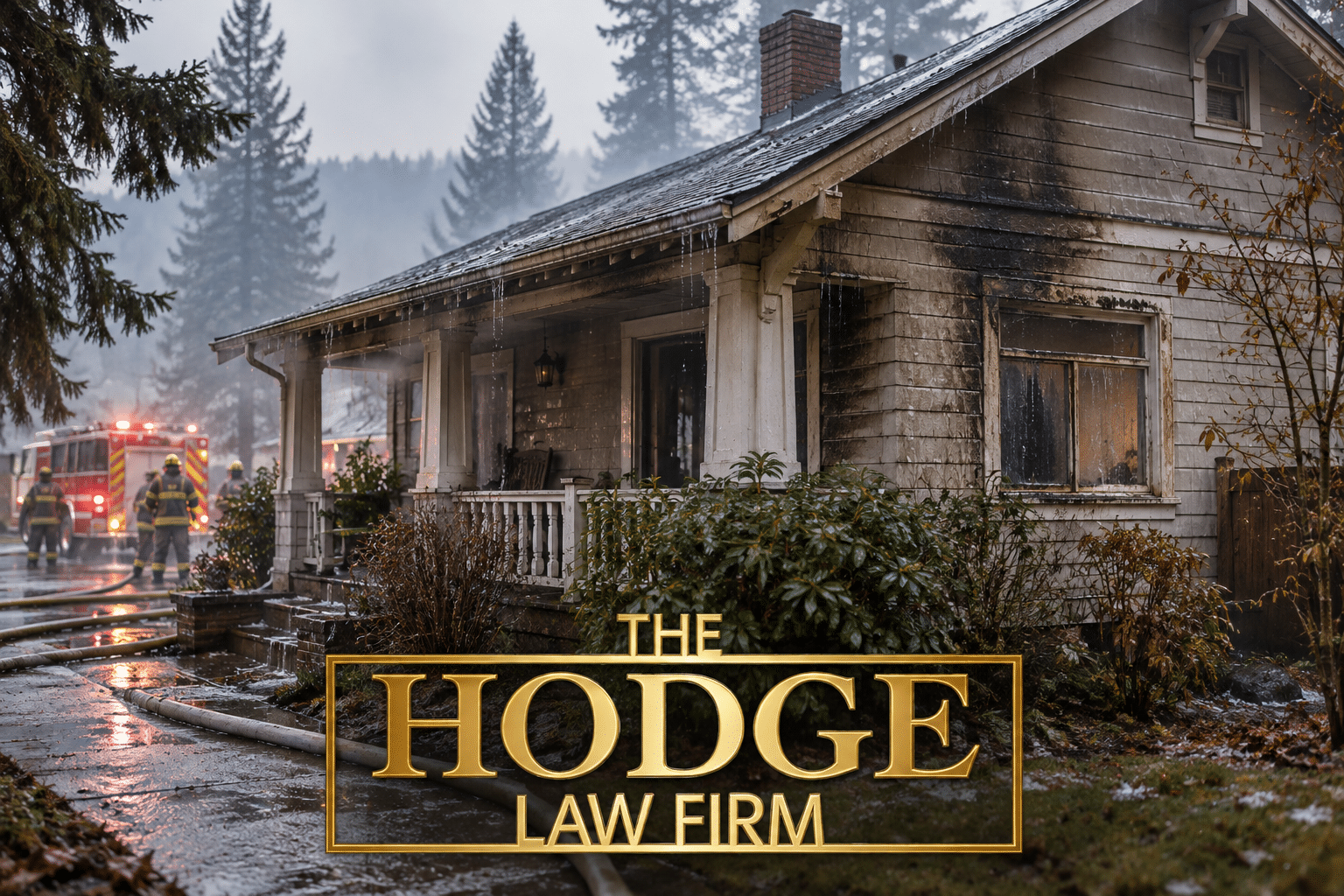
Wildfires can ruin homes, harm businesses, and leave properties covered in smoke and soot. Even after the fire is out, repair costs often keep rising. Many people face a new challenge when they file an insurance claim and find out the insurer values their loss differently. Sometimes, claims are denied or the payment offered is much less than what is needed to fix the damage.
When this happens, property owners may wonder if they should keep talking to the insurer on their own or get help from a Spokane wildfire claim lawyer. The right choice depends on the type of dispute, how much money is involved, the insurer’s reasons, and whether there are signs of delay, low offers, or unfair denials.
At The Hodge Law Firm, we help policyholders with insurance disputes after major property losses. We know how hard wildfires can hit your finances and how upsetting it is to pay for insurance, only to face pushback when you need help. If your insurance company won’t fairly review your wildfire loss, we find out what you’re owed and work to get you the compensation your policy provides.
Why Wildfire Insurance Claims Can Become Complicated
A big wildfire loss often means more than just what you can see. Flames can destroy parts of a building, but heat, smoke, ash, soot, water, and chemicals from firefighting can also damage areas that look fine at first. Things like electrical systems, HVAC units, roofs, insulation, personal items, equipment, and interiors may all need to be checked. may calculate a claim using its own adjuster’s observations, estimating software, preferred pricing data, depreciation assumptions, and repair methodology. A property owner may later receive contractor estimates showing that the actual work will cost substantially more.
Those competing estimates are often where disputes begin.
The insurer might say some things can be cleaned instead of replaced, or that repairs are enough when contractors suggest replacement. They may also claim some problems were there before the wildfire. Even small disagreements like these can lead to big differences in claims for large homes, businesses, or big losses.
A Spokane wildfire claim lawyer can examine whether the insurer’s position is supported by the policy language and the evidence surrounding the loss.
When a Wildfire Insurance Claim Is Denied
A denial means the insurance company has determined that some or all of the claimed loss is not covered. The denial should not automatically be treated as the final word.
Insurance policies contain detailed coverage provisions, exclusions, conditions, limitations, deductibles, endorsements, and definitions. The insurer’s interpretation of those provisions may become one of the central issues in the dispute.
A wildfire claim might be denied because the insurer contends that the loss falls outside the policy, that certain damage resulted from an excluded cause, or that the policyholder failed to satisfy a policy requirement. In other situations, an insurer may accept that a wildfire occurred but dispute whether particular damage was actually caused by the event.
For example, an insurance company might acknowledge smoke exposure but claim that staining, roof deterioration, siding damage, or interior conditions existed beforehand. The dispute then becomes one of causation rather than whether the wildfire happened.
That distinction matters because a policyholder may have strong evidence showing that the property’s condition materially changed after the event.
Photographs, videos, inspection reports, maintenance records, contractor evaluations, prior property records, witness observations, and other documentation may help establish the condition of the property before and after the loss.
When a significant wildfire claim has been denied, an attorney can review the denial letter together with the insurance policy and available evidence to determine whether the insurer’s reasoning should be challenged.
What an Underpaid Wildfire Claim Looks Like
An underpaid claim can sometimes be more difficult to recognize than a complete denial. The insurer has paid something, which may make it appear that the claim has been resolved fairly. The problem is that the payment may not come close to covering the actual loss.
One common warning sign is a major gap between the insurance estimate and estimates prepared by contractors or other professionals familiar with the required repairs.
A claim may also be underpaid when the insurer overlooks portions of the property, applies aggressive depreciation, prices materials or labor unrealistically, fails to account for smoke or soot remediation, or authorizes limited repairs where broader replacement may be necessary.
Wildfire losses may involve several categories of damage at the same time. A property owner could have structural repairs, damaged contents, temporary living expenses, debris removal costs, smoke remediation, landscaping damage, and other covered expenses arising from the same event.
If the insurance company’s evaluation fails to account for significant portions of that loss, the resulting payment may be inadequate even though the claim technically remains “approved.”
The critical question is not simply whether the insurer issued a check. The question is whether the insurer properly evaluated the covered loss under the policy.
Disputes Over Pre-Existing Damage
Insurance companies frequently investigate whether claimed conditions existed before a covered event. In a wildfire claim, the insurer may argue that cracked materials, roof deterioration, exterior wear, interior staining, mechanical problems, or other conditions were unrelated to the fire.
Some pre-existing conditions may indeed be present on a property. Their existence, however, does not necessarily resolve whether the wildfire caused additional covered damage.
A structure may have an older roof yet still suffer new heat, ember, or smoke damage. A building may have prior cosmetic wear but experience substantial contamination during a wildfire. An HVAC system may have been operational before the event and require major cleaning or replacement afterward.
The factual issue is often whether the covered event caused new damage or materially worsened an existing condition.
Evidence showing prior maintenance, previous inspections, photographs, repair history, and the property’s condition immediately after the wildfire can become highly important when an insurer raises this argument.
Delays Can Be a Sign That Legal Help Is Needed
Not every delay means an insurance company is acting improperly. Large disasters can generate thousands of claims and create legitimate logistical challenges.
However, prolonged delays without meaningful explanation deserve attention.
A policyholder may repeatedly submit requested information only to receive additional requests. Adjusters may change. Inspections may be postponed. Estimates may remain under review for extended periods. Calls and emails may go unanswered while repair costs and living expenses continue to accumulate.
For a homeowner displaced by wildfire damage, delay can mean months of temporary housing and uncertainty. For a business, it can mean continuing interruption, lost customers, and increasing financial pressure.
An attorney can help identify what information remains genuinely necessary, communicate directly with the insurance company, and create a documented record of the claim’s progression.
That documentation can become important if the insurer later disputes what was provided, when it was submitted, or why the claim remained unresolved.
Large Commercial Wildfire Claims Often Require Early Legal Review
Commercial wildfire claims can involve considerably more complexity than damage to a single residence. A commercial property may include multiple buildings, specialized equipment, tenant improvements, inventory, machinery, signage, utility systems, refrigeration equipment, computer systems, and other valuable property.
The financial consequences may also extend beyond physical repairs.
A business may experience reduced operations, temporary closure, loss of income, relocation costs, extra expenses, supply disruptions, or other financial consequences depending on the available coverage.
When a commercial loss is substantial, disagreements over valuation can quickly involve hundreds of thousands or even millions of dollars.
Early legal review can help identify coverage issues before the claim becomes entrenched in a dispute. It also allows counsel to evaluate documentation, insurer communications, estimates, expert findings, and potential weaknesses while evidence is still readily available.
Property owners do not necessarily need to wait for an outright denial before consulting a wildfire insurance attorney.
Why Signing a Release or Accepting a Final Settlement Requires Care
Policyholders should understand what an insurance payment represents before treating the claim as resolved.
Some payments may be preliminary or undisputed amounts. Others may be accompanied by settlement documents, releases, or communications indicating that the insurer considers the matter closed.
The distinction can be critical.
Wildfire damage may continue to reveal itself after initial inspections, especially when smoke contamination, hidden structural damage, mechanical systems, or extensive rebuilding are involved.
Before signing documents that could affect additional recovery, a policyholder should understand the legal effect of what is being presented.
Once a claim is fully settled and released, reopening the matter may be difficult or impossible depending on the circumstances.
When the amount at stake is substantial, having an attorney review the proposed resolution before signing can prevent a policyholder from unintentionally giving up disputed portions of the claim.
Contact a Spokane Wildfire Claim Lawyer About a Denied or Underpaid Claim
If your wildfire insurance claim has been denied, delayed, or substantially underpaid, you do not have to assume that the insurance company’s decision is correct. Significant disagreements over coverage, damage, repair costs, smoke contamination, or causation deserve careful review.
At The Hodge Law Firm, we represent property owners in insurance disputes and work to hold carriers accountable when legitimate claims are not properly handled or paid. We can review your policy, examine the insurer’s explanation, evaluate the available evidence, and determine what options may be available for pursuing additional compensation. Call the wildfire insurance claim attorneys at The Hodge Law Firm today at 409-762-5000 for a free consultation.
The Hodge Law Firm Holds Insurance Companies Accountable.


