
What If Hidden Damage Is Discovered Later?
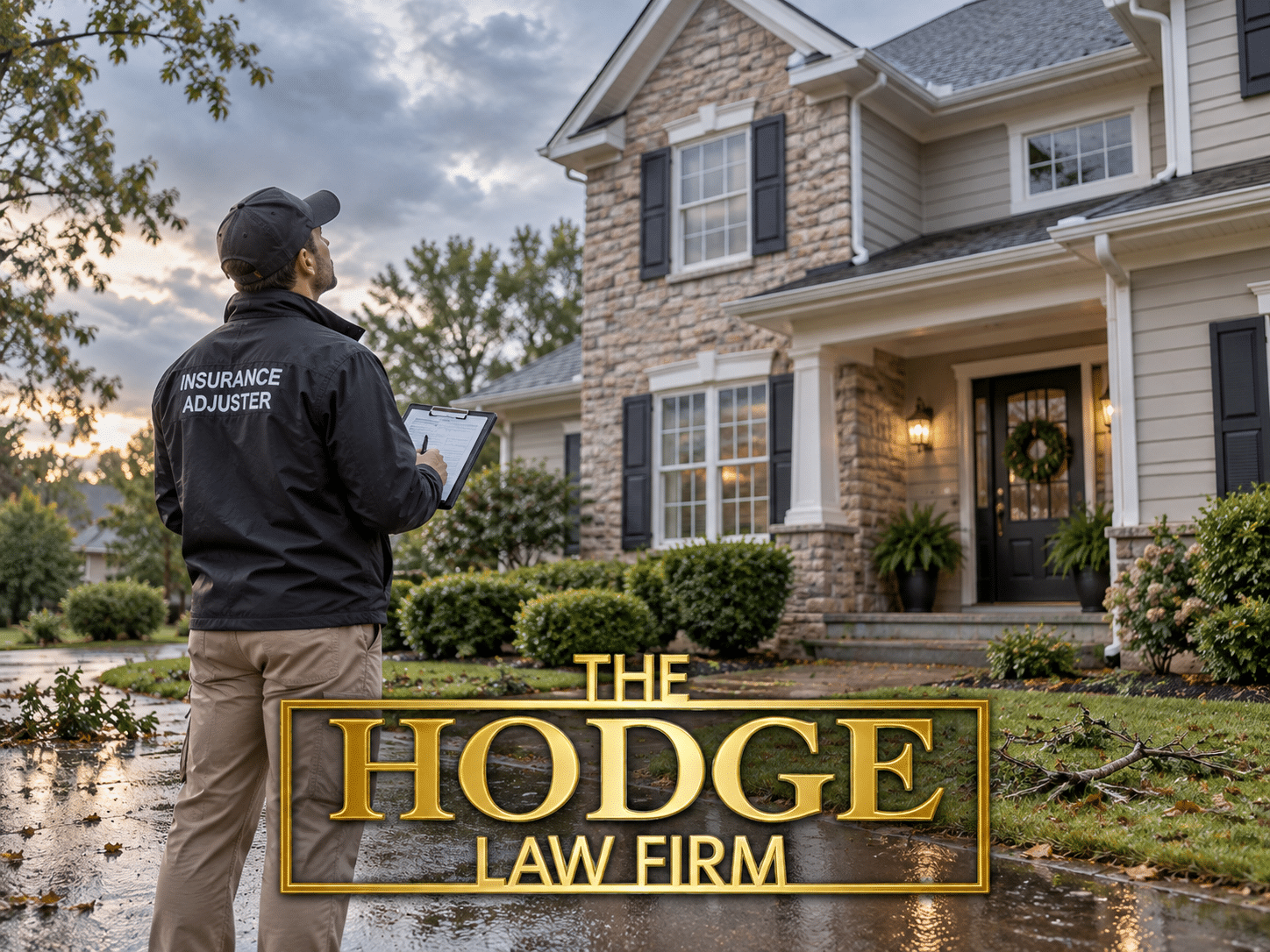
Sometimes, property damage isn’t easy to spot right after a hurricane, hailstorm, windstorm, fire, water loss, or other covered event. For example, a roof might look fine from the outside, even though moisture has already seeped into the roofing system. Water can move behind walls, under floors, or into insulation without showing any signs for days or weeks. Some structural parts may only show damage once repairs start and contractors remove materials.
If you find more damage after your insurance company has already inspected your property, it can be confusing and stressful. You might worry that it’s too late to ask for more insurance money, that accepting an earlier payment closed your claim, or that the insurer will think you’re trying to add unrelated repairs.
The discovery of hidden damage does not necessarily mean that the additional loss is excluded from your insurance claim. Depending on the policy, the cause of the damage, applicable deadlines, and the circumstances surrounding the discovery, you may be able to submit additional documentation and request further payment.
At The Hodge Law Firm, we help both homeowners and business owners with insurance claim disputes, including cases where claims are denied, delayed, or underpaid. If hidden damage makes repairs much more expensive, we can look into your claim, review your policy and past adjustments, and help you understand your options.
Why Property Damage May Not Be Visible During The Initial Inspection
Insurance inspections usually happen early in the claims process. The adjuster looks at areas they can reach, takes photos of visible damage, measures things, and makes an estimate based on what they see at that moment.
This inspection is important, but it might not show all the damage. Buildings have many layers that can hide important parts like structure and wiring. For example, roofing covers the decking, drywall hides framing, insulation, pipes, and wires, and floors can cover up a damaged subfloor. Even exterior finishes can hide water damage or other problems underneath.
Storm damage can be hard to spot because water doesn’t always stay where it first gets in. Wind-driven rain might come through a damaged roof or opening, then move along rafters, framing, pipes, or other parts of the building before collecting in a different spot.
The first visible stain may therefore appear far away from the actual entry point.
Other damage may only become apparent when repairs begin. A contractor removing shingles could discover fractured or deteriorated decking underneath. Removing drywall could reveal saturated insulation or damaged framing. Pulling up flooring could expose moisture trapped beneath the finished surface.
This is one reason the initial insurance estimate should not automatically be treated as a complete description of everything necessary to restore the property.
Can You Submit Additional Damage To The Insurance Company?
In many circumstances, policyholders may be able to notify their insurance company about newly discovered damage and request that the insurer evaluate it. This is commonly associated with a supplemental claim or a request for additional benefits under an existing claim.
Terminology and procedures can vary depending on the policy and insurer. What matters is reporting the additional damage promptly and supporting it with evidence connecting it to the covered event.
For example, suppose a homeowner receives payment for visible roof and interior ceiling damage following a major windstorm. Several weeks later, a contractor begins removing damaged roofing materials and discovers that portions of the roof decking were also damaged. The cost of the necessary work may now substantially exceed the insurer’s original estimate.
The homeowner should not simply assume that the additional cost must be paid personally.
The insurer may need to be notified and given an opportunity to inspect the newly exposed damage. Contractors may also prepare photographs, written findings, estimates, invoices, moisture readings, or other documentation showing why the additional work is necessary.
The situation can become more complicated if the insurance company disputes whether the newly discovered condition resulted from the original loss. That causation dispute is often where an ordinary supplemental request develops into a significant insurance claim dispute.
What Is A Supplemental Property Insurance Claim?
A supplemental claim generally seeks additional insurance benefits after the initial adjustment because the actual cost or scope of the covered loss is greater than originally determined.
Supplemental claims are particularly important in property losses because an initial inspection frequently occurs before contractors begin demolition or repair work.
Suppose an insurer estimates that repairing a damaged portion of a building will cost $30,000. Once repairs begin, contractors discover additional covered damage that increases the reasonable restoration cost to $55,000. Subject to the policy’s terms, coverage limits, deductibles, exclusions, and other applicable provisions, the property owner may have grounds to seek additional benefits rather than treating the original $30,000 estimate as final.
A supplement should be supported by more than a statement that the repairs cost more than expected. The additional submission should clearly identify what was discovered, why the additional work is required, how it relates to the original loss, and how the additional amount was calculated.
Insurance companies may scrutinize supplements closely, especially when the requested additional payment is substantial. A well-documented supplemental claim can therefore be extremely important.
Why Insurers May Challenge Hidden Damage
When substantial additional damage is discovered, an insurer may question whether it was actually caused by the event identified in the claim. This is frequently a causation dispute.
An insurer may argue that the newly discovered condition resulted from age, deterioration, improper maintenance, construction defects, pre-existing water intrusion, long-term leakage, or another cause it contends is excluded or unrelated to the covered event.
For instance, hidden moisture is discovered inside a wall after a hurricane. The policyholder may contend that wind-driven rain entered during the storm. The insurance company may instead argue that the moisture resulted from a long-standing leak.
The difference can have significant financial consequences. Determining causation may require much more than looking at the damaged material. Investigators may need to consider the property’s pre-loss condition, the location and pattern of damage, weather conditions, photographs taken shortly after the event, repair history, moisture readings, engineering findings, and observations made during demolition. A denial based on the insurer’s causation theory does not necessarily establish what actually happened. The evidence should be evaluated carefully.
Hidden Damage In Commercial Property Claims
Commercial property losses can present particularly complicated hidden-damage issues because the buildings may contain extensive roofing systems, mechanical equipment, electrical systems, inventory areas, tenant improvements, and specialized construction materials.
Damage in one area can also affect business operations elsewhere in the property.
A commercial roof leak, for example, may eventually damage insulation, ceilings, electrical equipment, merchandise, interior finishes, or tenant spaces. What initially appears to be a straightforward roofing claim can develop into a much larger property loss.
Businesses should carefully document both the physical damage and the progression of repairs. Construction contracts, change orders, engineering reports, photographs, invoices, and communications with tenants or contractors may all become relevant.
When concealed damage delays reopening or interferes with operations, there may also be questions about whether additional coverages under the policy are implicated. Commercial policies can be complex, making a careful review of the actual policy language especially important.
Do Not Ignore Insurance Policy Deadlines
Finding hidden damage later does not mean that deadlines stop applying. Property insurance policies can impose requirements concerning notice, proof of loss, supplemental claims, documentation, inspections, repairs, and other aspects of the claim. Statutes or regulations may impose additional deadlines depending on the jurisdiction.
This is one reason property owners should act promptly after discovering additional damage.
Waiting can give the insurance company additional arguments. The insurer may contend that it was not given timely notice, that delayed repairs caused additional deterioration, that evidence was lost, or that it no longer has a meaningful opportunity to determine the cause of the newly reported condition.
Because requirements differ by policy and jurisdiction, there is no single deadline that applies to every hidden-damage claim. The applicable policy and law should be reviewed rather than assuming there is unlimited time to seek additional benefits.
What If The Insurance Company Refuses To Pay For The Additional Damage?
An insurer may inspect the additional damage and still refuse to increase its payment.
The company might maintain that its original estimate was correct, dispute the contractor’s scope, challenge repair prices, invoke an exclusion, argue that the condition predated the loss, or contend that the additional work is unrelated to the covered event.
At that point, the dispute should be evaluated based on the evidence and the insurance policy.
At The Hodge Law Firm, we examine how the insurer investigated the loss, what its adjusters documented, how it calculated its payment, and why it rejected the additional damage. We can compare the carrier’s conclusions with photographs, contractor estimates, engineering findings, repair documentation, and other available evidence.
When an insurer has improperly denied or underpaid covered damage, we can pursue available remedies on behalf of the policyholder. Depending on the circumstances and applicable law, that can involve continued claim negotiations, formal dispute procedures, or litigation.
Why Hidden Damage Claims Often Require A Detailed Investigation
The passage of time can make hidden-damage disputes more complicated than claims involving immediately visible destruction. The insurance company may ask why the damage was not identified during its original inspection. The property owner may need to establish that the condition was genuinely concealed rather than newly created. Contractors may need to explain how demolition revealed damage that could not reasonably have been seen before.
The chronology matters. We may examine photographs taken immediately after the loss, weather information, the insurer’s inspection records, contractor findings, prior property records, repair invoices, engineering opinions, and communications exchanged throughout the claim.
This evidence can help distinguish between a newly discovered consequence of the original covered loss and damage resulting from an unrelated condition. The stronger and more consistent that evidence is, the more effectively the policyholder can challenge an insurer’s attempt to dismiss hidden damage as unrelated or pre-existing.
Contact The Hodge Law Firm If Your Insurance Company Refuses To Pay For Hidden Damage
Discovering additional damage after you thought the insurance claim was already under control can be frustrating and expensive. A repair project that initially appeared manageable can quickly become much larger when contractors uncover damaged decking, framing, insulation, electrical components, flooring, walls, or other concealed parts of the property.
You do not have to simply accept the insurance company’s original estimate if evidence shows that the covered loss is more extensive.
At The Hodge Law Firm, we help residential and commercial property owners challenge denied, delayed, and underpaid insurance claims. We can review the original adjustment, investigate the newly discovered damage, evaluate the insurer’s coverage position, and determine what options may be available to pursue additional insurance benefits.
If your insurance company refuses to properly compensate you for covered hidden damage, call us for a complimentary consultation. Call the property damage attorneys at The Hodge Law Firm today at 409-762-5000 for a free consultation.
The Hodge Law Firm Holds Insurance Companies Accountable.


