
What Happens When Hurricane Damage Causes Mold Inside a Louisiana Property?
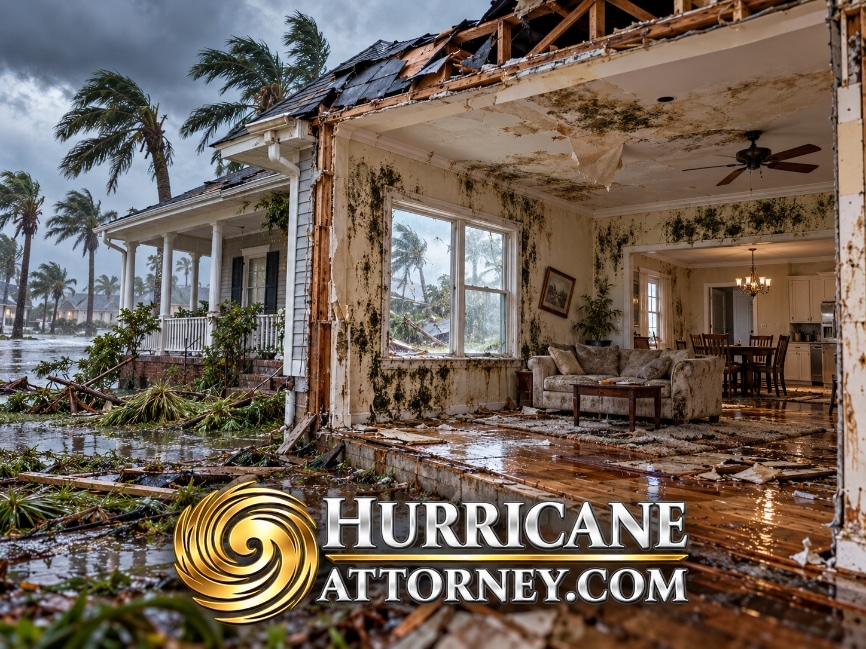
Hurricanes often leave Louisiana homes and businesses with serious water damage, even if the buildings are still standing. Rain, wind-driven water, damaged roofs, and flooding can let moisture get into walls, ceilings, floors, and insulation. If this moisture stays trapped, mold can start growing in as little as 24 to 48 hours. Sometimes, property owners find mold days or weeks after the storm, even after an insurance adjuster has already visited. Getting compensation for hurricane-related mold damage can be difficult if the insurance company questions where the moisture came from or says mold cleanup is not covered.
At The Hodge Law Firm, we help Louisiana property owners who have had their hurricane insurance claims denied, delayed, or underpaid. We know that mold can quickly make a tough situation even worse. Our goal is to help you understand your insurance, challenge unfair claim decisions, and seek the compensation you deserve under Louisiana law.
How Hurricane Damage Leads to Mold Growth in Louisiana Properties
Louisiana’s humid weather makes it easier for mold to grow after a hurricane. If strong winds tear off shingles, damage flashing, or break windows, rainwater can get into places that were once protected. Water can soak into drywall, wood framing, carpets, insulation, and other materials that absorb moisture.
You might not see the damage right away. Moisture can build up behind walls, under floors, and inside vents. Sometimes, you may notice a musty smell or stains days after the storm, without knowing how much the building materials have been affected.
Power outages can make things worse. Without air conditioning, ventilation, or dehumidifiers, moisture can stay trapped inside. Louisiana homeowners and business owners should dry out their property and get a professional inspection as soon as it’s safe.
Does Louisiana Homeowners Insurance Cover Mold After a Hurricane?
Whether your insurance covers mold damage depends on your policy’s wording, how the water got in, any exclusions, and if there are mold-related limits or endorsements.
For example, if hurricane winds damage your roof and rain gets in, the water damage may be covered under your windstorm policy. Mold that grows because of this covered water damage might also be covered for cleanup, depending on your policy.
However, standard homeowners insurance policies generally exclude flood damage. If storm surge or rising surface water enters the building, the resulting mold damage may fall outside the homeowners policy. A separate flood insurance policy may provide coverage, subject to its terms and limitations.
Some policies contain specific mold exclusions, sublimits, or exceptions for mold caused by covered water losses. Therefore, property owners should not assume that all hurricane-related mold damage is covered or excluded without reviewing their actual insurance contracts.
Why Insurance Companies Deny Hurricane-Related Mold Claims
Insurance companies frequently dispute mold claims because determining when and how moisture entered a building can be difficult. An insurer might acknowledge that a hurricane damaged the roof but argue that mold resulted from preexisting leaks, poor maintenance, or the property owner’s failure to prevent additional damage.
Another common dispute concerns delayed discovery. Mold may not become visible until after the initial insurance inspection. If the original adjuster documented only minor water damage, the insurer may question a subsequent claim involving extensive mold remediation.
Insurance companies may also rely on policy exclusions or mold coverage limits to reduce payments. These provisions must be evaluated alongside the facts of the loss and the applicable policy language. A denial is not necessarily correct simply because an insurance company cites an exclusion.
At The Hodge Law Firm, we examine the insurer’s explanation, the available property damage evidence, and the policy provisions before determining how to challenge an unfavorable decision.
What Louisiana Property Owners Should Do After Discovering Mold
Property owners should act promptly when they discover mold following hurricane damage. Continuing moisture exposure can worsen structural deterioration, damage personal property, and increase remediation expenses.
Photographs, videos, moisture readings, professional inspection reports, and contractor estimates can help establish the extent of the damage. Property owners should also preserve records identifying when the hurricane occurred, when water intrusion was discovered, and when mold first became visible.
Professional remediation may require removing contaminated drywall, insulation, flooring, or other affected materials. Before discarding damaged materials, owners should document their condition whenever safely possible and follow reasonable insurance inspection requirements.
Insurance policies commonly require policyholders to take reasonable steps to prevent additional damage. However, those obligations do not mean an owner must expose themselves to unsafe conditions or attempt hazardous mold removal without qualified assistance.
Louisiana Insurance Laws That May Protect Property Owners
Louisiana law establishes important requirements for insurance companies handling property damage claims. Under Louisiana Revised Statutes § 22:1892, insurers generally must initiate loss adjustment within 14 days after notification, subject to statutory exceptions, and must pay covered claims within applicable deadlines after receiving satisfactory proof of loss.
Louisiana Revised Statutes § 22:1973 establishes additional obligations concerning insurers’ claims practices and provides remedies for specified violations. The availability of penalties or other damages depends on the applicable statutory requirements and the insurer’s conduct.
These laws can become relevant when an insurer unreasonably delays investigating hurricane-related mold, ignores supporting documentation, or refuses payment without an adequate basis. However, a disagreement over coverage does not automatically establish bad faith.
Louisiana’s insurance statutes have been amended in recent years, making the date of the loss important when evaluating applicable deadlines and remedies. We examine the relevant legal provisions, insurance contract, and claim history when assessing a potential dispute.
How Mold Damage Can Affect Louisiana Commercial Properties
Mold can create particularly expensive problems for Louisiana businesses, apartment buildings, rental properties, and commercial facilities. Contaminated building materials may require extensive removal, while tenants or employees may be unable to occupy affected spaces during remediation.
Businesses may also experience interrupted operations, lost rental income, additional cleaning expenses, and temporary relocation costs. Whether these losses qualify for insurance benefits depends on the commercial policy and the circumstances of the damage
Disputes often arise when insurers approve limited repairs but refuse to pay for extensive moisture testing or remediation. In some situations, a building cannot be safely restored without addressing contamination concealed behind walls or beneath flooring.
We help commercial policyholders evaluate whether their insurers have properly considered the full extent of hurricane-related property damage and potentially available coverage.
How The Hodge Law Firm Helps With Hurricane Mold Insurance Disputes
A successful hurricane-related mold claim often depends on establishing the connection between the storm, covered water intrusion, and resulting property damage. That connection may require reviewing meteorological information, roof inspections, photographs, remediation reports, and expert findings.
At The Hodge Law Firm, we review insurance policies, investigate disputed damage, and evaluate the insurer’s stated reasons for denying or limiting payment. When appropriate, we pursue additional benefits, challenge unsupported coverage determinations, and consider litigation to enforce the policyholder’s contractual rights.
We represent Louisiana homeowners and commercial property owners dealing with hurricane insurance disputes. Our objective is to hold insurance companies accountable when they fail to honor their obligations under applicable law.
Frequently Asked Questions About Hurricane Mold Damage in Louisiana
Can Mold Damage Be Covered If a Hurricane Damaged My Roof?
Possibly. If hurricane winds damaged your roof and rainwater entered through the resulting opening, the water damage may be covered under your property insurance policy. Mold remediation coverage depends on the policy’s specific terms, exclusions, and limits. Documentation connecting the roof damage to the moisture intrusion is especially important.
What If My Insurance Company Says the Mold Was Already There?
An insurer may argue that mold developed from an older leak or maintenance issue rather than hurricane damage. Inspection records, pre-storm photographs, contractor findings, and moisture assessments may help establish the property’s condition before the hurricane. A professional investigation can also help distinguish recent storm-related damage from longstanding deterioration.
Can I Recover the Cost of Professional Mold Remediation?
Professional mold remediation expenses may be recoverable when the underlying damage is covered, and the policy provides applicable remediation benefits. Covered expenses might include removing contaminated materials, drying affected areas, and restoring damaged components. However, mold sublimits and exclusions may restrict reimbursement, even when some underlying water damage is covered.
What Happens If Mold Is Discovered After My Hurricane Claim Was Closed?
Discovering additional damage after a claim is closed does not necessarily eliminate your ability to seek further benefits. Depending on the policy, applicable deadlines, and prior settlement documents, you may be able to submit supplemental documentation or request reconsideration. Promptly notify the insurer and preserve evidence explaining why the mold was not discovered earlier.
Can I Sue My Insurance Company for Denying a Hurricane Mold Claim?
You may have grounds to pursue legal action if your insurer wrongfully denies benefits available under your policy. Depending on the facts and applicable Louisiana law, additional remedies may be available for qualifying claims-handling violations. An attorney can review the denial, determine which deadlines apply, and assess whether negotiation or litigation is appropriate.
Contact The Hodge Law Firm For A Hurricane Damage Consultation
Hurricane-related mold damage can create costly repairs and prolonged insurance disputes for Louisiana property owners. If your insurance company has denied, delayed, or underpaid your hurricane mold damage claim, we can review your situation and explain your legal options.
Call the hurricane damage lawyers at The Hodge Law Firm today at 409-762-5000 for a free consultation. We represent residential and commercial policyholders seeking accountability from insurance companies.
We Hold Insurance Companies Accountable.


