
Recent Blog Posts
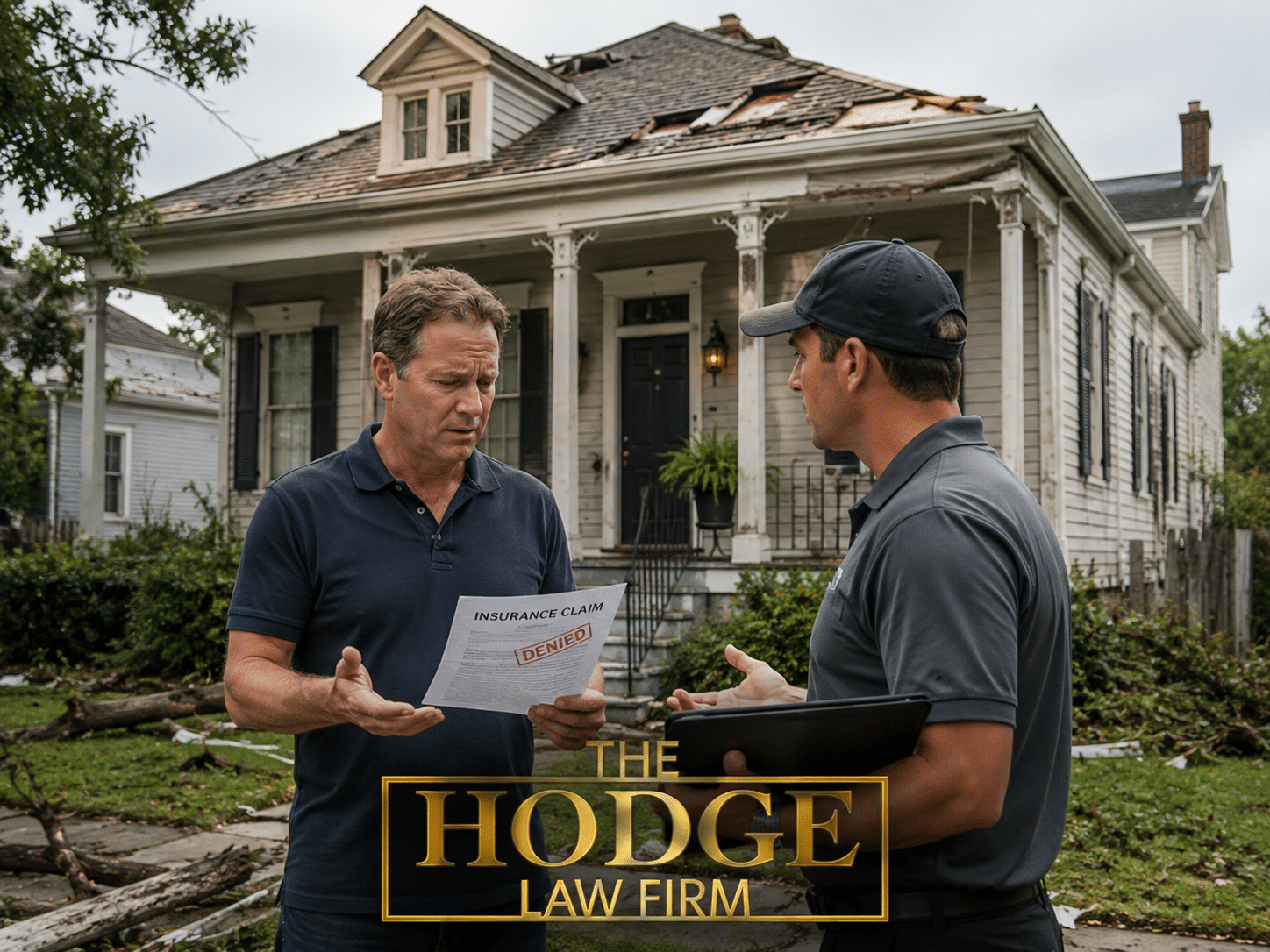
What Happens When A Louisiana Insurer Denies Wind Damage?
A hurricane or strong windstorm can turn life upside down in just a few hours. High winds might rip shingles off your roof, break windows, damage siding, knock down fences, and leave your home or business open to water damage. After the storm, most people work to protect their property, take photos of the… Read More »
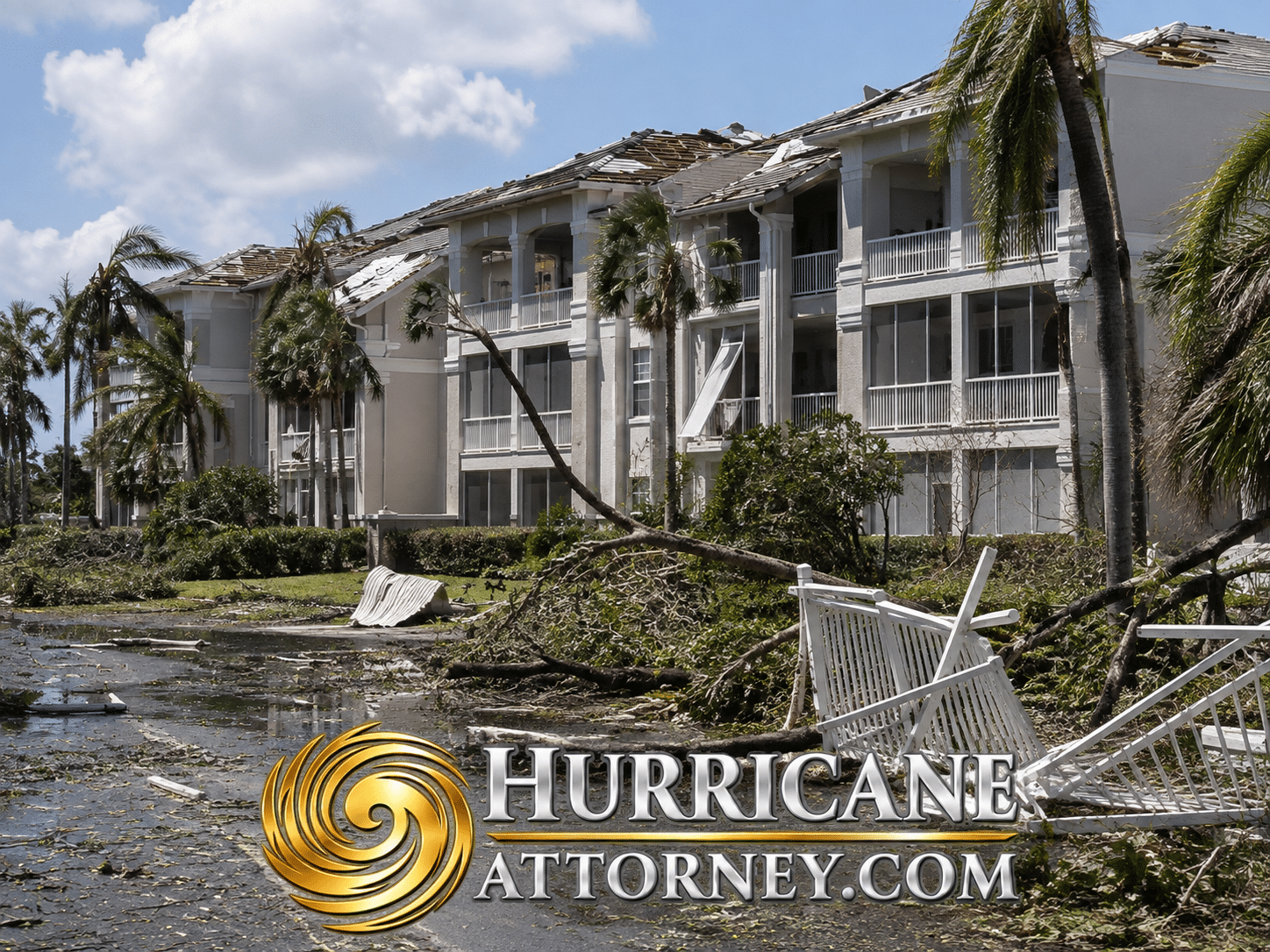
Can Florida Condo Associations File Hurricane Damage Claims?
After a hurricane, Florida condominium associations have to deal with challenges that single-family homeowners do not. Instead of just one home, the association must assess damage to many buildings, shared spaces, roofs, elevators, clubhouses, parking areas, pools, and more. The costs can be high, and the insurance claim process is often more complicated than… Read More »
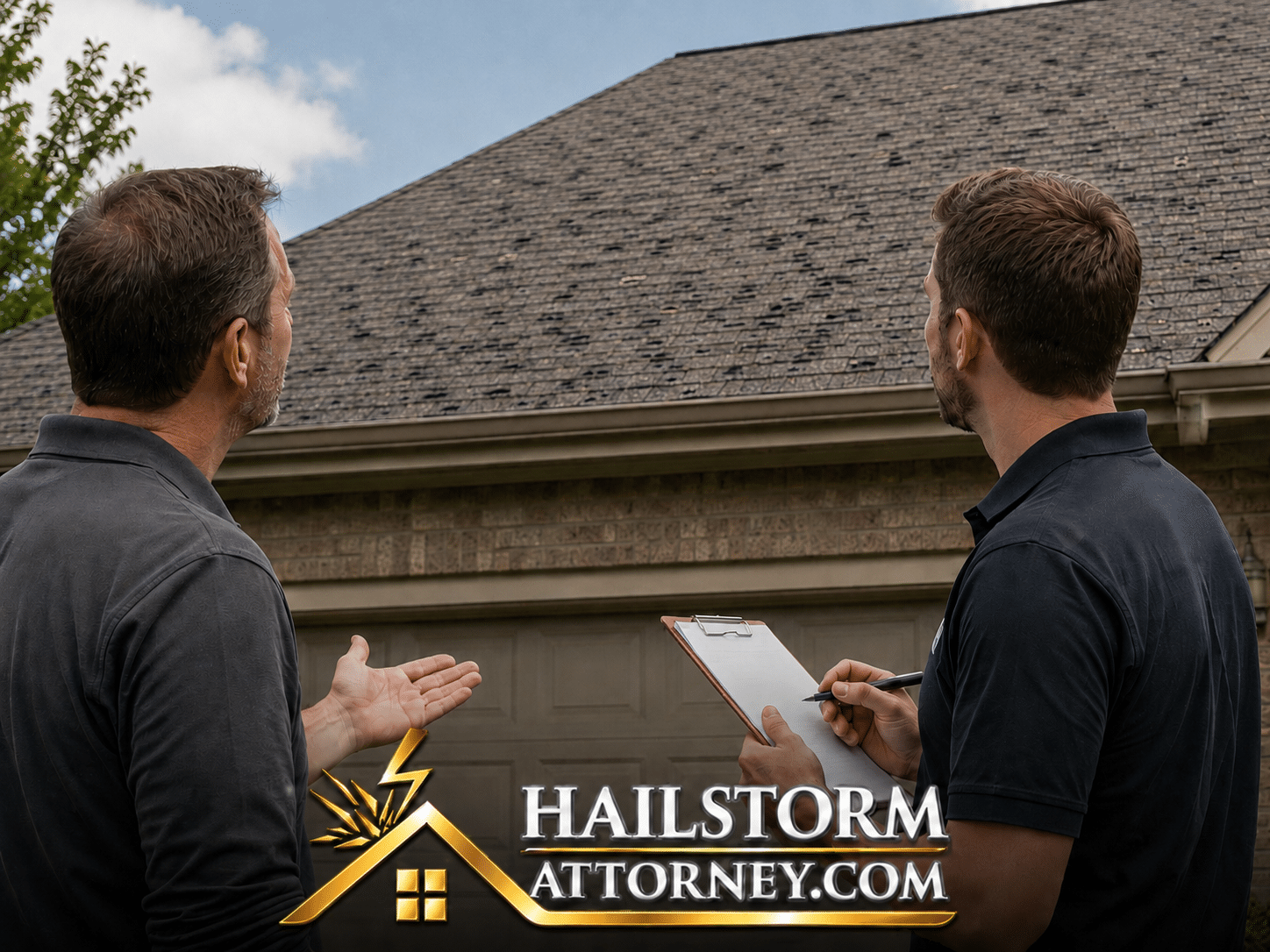
What Happens When An Insurer Calls Hail Damage Wear And Tear?
One of the most frustrating responses a property owner can receive after filing a hail damage insurance claim is that the damage is not actually storm-related. Instead, the insurance company may conclude that the condition of the roof, siding, or other building components is simply the result of “wear and tear.” For many homeowners… Read More »

Metal Roof Hail Damage Claims In Oklahoma
Metal roofs are becoming more common in Oklahoma because they last a long time and handle severe weather better than many other roofing materials. Homeowners like them for their durability, and commercial property owners often pick metal roofs since they need less upkeep and protect large buildings well. Still, even though metal roofs are… Read More »

TWIA Whistleblower Alleges Hurricane Beryl Claim Estimates Were Secretly Reduced
A federal lawsuit filed in Galveston alleges that insurance damage estimates prepared following Hurricane Beryl were secretly reduced before being provided to Texas Windstorm Insurance Association (TWIA) policyholders, in some cases by more than 60%. The lawsuit, filed on behalf of three Texas homeowners, names TWIA, claims-related companies, and individuals as defendants and seeks… Read More »

How Appraisal Works In A Colorado Hail Insurance Dispute
If a hailstorm damages your home or business in Colorado, you expect your insurance company to assess the damage fairly and pay what your policy promises. But sometimes, that does not happen. Many property owners end up in a dispute after getting an insurance estimate that is much lower than what contractors say or… Read More »

Actual Cash Value Versus Replacement Cost In Storm Damage Claims
If a severe storm damages your home or business, you might wonder if your insurance will cover the full cost to restore your property. When you look at your insurance estimate, you may see terms like “Actual Cash Value” (ACV) and “Replacement Cost Value” (RCV). These terms are important for figuring out how much… Read More »
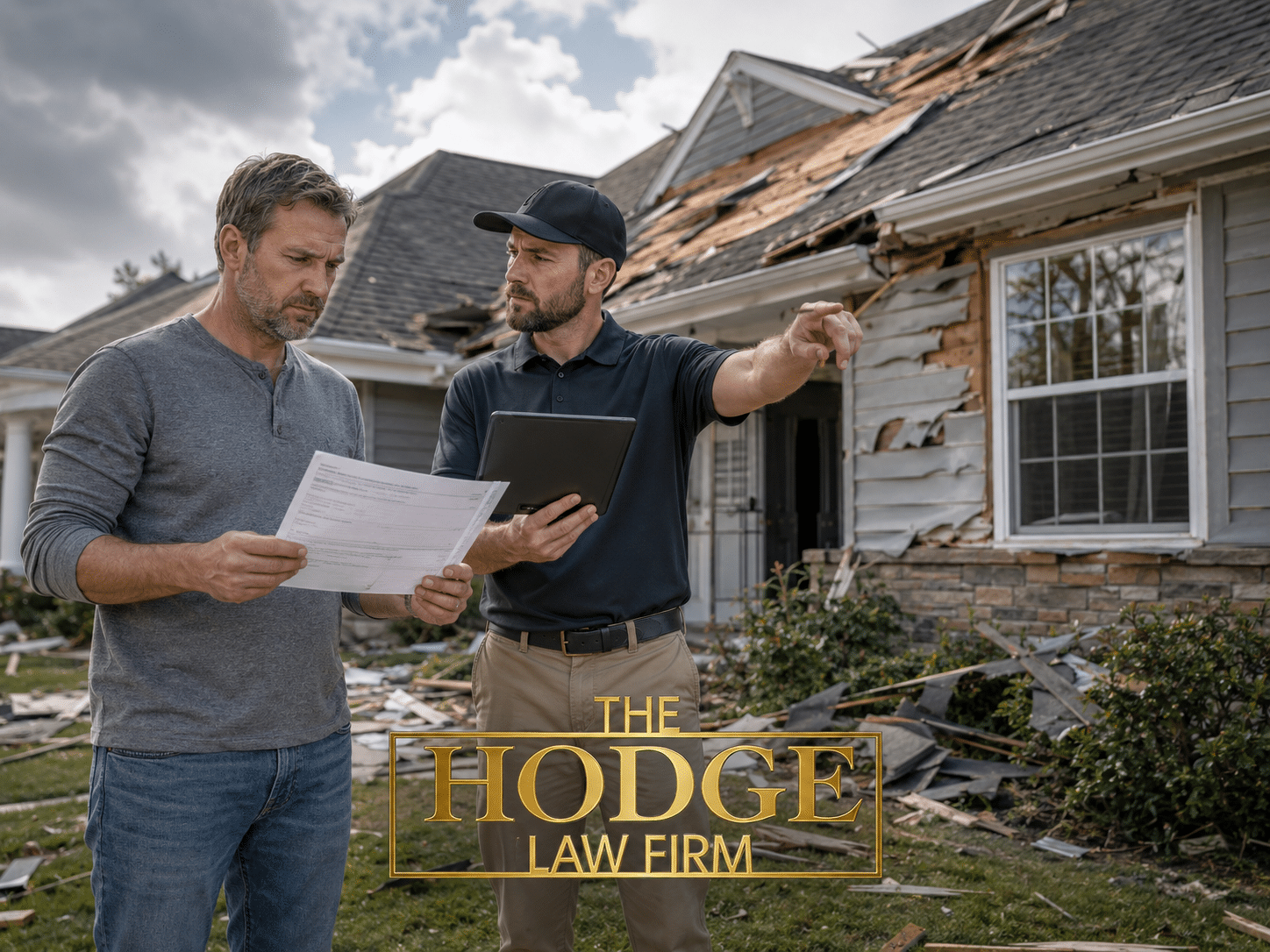
Why Property Owners Should Avoid Relying Only On The Insurer’s Estimate
After a hurricane or severe hailstorm, one of the first documents many property owners receive is the insurance adjuster’s estimate. For many homeowners and business owners, this estimate becomes the benchmark for every repair decision that follows. They assume the insurance company has thoroughly inspected the property, accurately calculated the damage, and determined the… Read More »

Hail Damage To Commercial Property In Texas
Texas is known for having some of the worst hailstorms in the country. Each year, businesses across the state lose millions of dollars to hail that can form suddenly and hit without much warning. Whether you own property in Dallas-Fort Worth, Austin, Houston, San Antonio, Lubbock, Amarillo, or Midland, you face ongoing risks from… Read More »

What To Do After Hail Damage In Texas
Texas has some of the most severe hailstorms in the country. Areas like North Texas, Dallas-Fort Worth, Central Texas, West Texas, and the Gulf Coast often see hail that can damage homes, businesses, roofs, vehicles, siding, windows, and more. While most people know hail can cause visible damage, even small hail can lead to… Read More »

